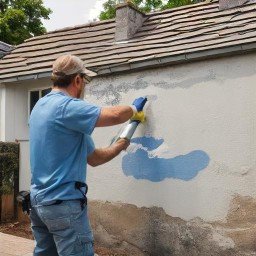
A wooden deck adds valuable outdoor living space to your home. It gives you a place to enjoy morning coffee, host family gatherings, or relax during warm California evenings. However, constant exposure to sunlight, changing temperatures, coastal moisture, and seasonal debris can gradually wear down even a well-built deck. Without regular care, boards may fade, crack, splinter, or develop signs of moisture damage.
California’s climate creates different maintenance challenges depending on where you live. Homes in the Central Valley experience intense summer heat that can dry out exposed wood. Coastal properties near Santa Monica and San Diego deal with marine moisture and salt in the air, while homes around Placer and Nevada counties may experience colder winters and seasonal temperature changes. Each environment affects outdoor wood differently.
Why California Decks Need Regular Maintenance
Outdoor wood is constantly exposed to environmental conditions that gradually affect its appearance and strength. Strong sunlight can fade natural wood tones, dry out exposed boards, and contribute to surface cracking. Moisture trapped between boards can encourage mildew and wood decay, particularly in shaded areas.
Different California regions experience different conditions:
- Central Valley: High summer temperatures and intense sunlight can cause wood to dry, fade, and split.
- Coastal California: Marine air and moisture can affect exposed wood and accelerate corrosion in metal fasteners.
- Southern California: Dry weather and strong UV exposure can gradually wear down protective finishes.
- Northern California: Seasonal rain, colder temperatures, and falling leaves can create moisture problems around deck boards and framing.
Regular inspections help catch small issues before they affect larger sections of the deck. Paying attention to drainage, cleaning, fasteners, and protective coatings can make a noticeable difference in long-term maintenance.
Essential Deck Maintenance Tips for California Homes
Check Whether Your Deck Still Repels Water
Before purchasing cleaning products or applying a new finish, check the condition of your deck’s existing protective coating. A simple water test can help you understand whether the surface still repels moisture. Choose a dry area of the deck and sprinkle a few drops of water onto the boards. If the water forms small beads, the finish may still be providing protection. If it quickly spreads into the wood and darkens the surface, the coating may have started wearing away.
Pay attention to areas that receive direct sunlight, heavy foot traffic, or frequent contact with outdoor furniture. These spots often show wear earlier than protected sections. Inspecting your deck at the beginning of spring and before the rainy season can help you decide when cleaning, repairs, or resealing may be necessary.
Clean Wood Boards Without Damaging Them
Dirt, food spills, leaves, and outdoor debris can make deck boards look dull. Cleaning helps restore the surface and prepares the wood for additional maintenance.
However, using too much pressure or the wrong cleaning solution can damage the wood fibers. A high-pressure washer used incorrectly may leave visible marks, rough patches, and uneven grooves.
Follow these cleaning practices:
- Remove loose debris: Sweep away leaves, dust, and dirt before washing.
- Choose suitable cleaners: Use an exterior wood cleaner recommended for your deck material and existing finish.
- Scrub gently: Work along the wood grain with a suitable synthetic-bristle brush.
- Rinse carefully: Remove cleaning residue without forcing excessive water into the boards.
- Allow proper drying: Give the wood enough time to dry before applying stain or sealant.
Older redwood and cedar decks may require extra care because aggressive cleaning can damage their softer surface fibers. If the boards are already rough or splintering, consider professional assessment before starting a restoration project.
Keep Gaps Between Deck Boards Clear
The small spaces between deck boards serve an important purpose. They allow rainwater to drain and help air circulate beneath the surface. When these gaps become packed with leaves, pine needles, dirt, and other debris, moisture may remain trapped around the supporting structure. Make gap cleaning part of your seasonal routine, especially if your property has mature trees nearby. Use a suitable plastic cleaning tool to remove compacted debris without damaging the edges of the boards.
Check underneath the deck as well. Look for standing water, damp areas, signs of insect activity, and wood that appears soft or discolored. For homeowners in shaded parts of Placer and Nevada counties, clearing fallen leaves and seasonal debris is particularly important during wetter months. Good drainage and airflow help keep the deck in better condition throughout the year.
Replace Loose and Corroded Fasteners
Deck screws, nails, brackets, and connectors help hold the entire structure together. Over time, exposure to moisture and temperature changes can cause some fasteners to loosen or corrode. Walk across your deck and inspect areas where boards move, squeak, or lift slightly. Look for rusty screw heads, dark staining around fasteners, and boards separating near their edges.
Replace damaged hardware with exterior-rated fasteners suitable for your deck material and local conditions. Stainless steel options may be appropriate for coastal properties where salt air increases corrosion concerns. Other exterior-rated coatings may suit inland locations. Don’t ignore loose railings, unstable steps, or movement in the supporting structure. These issues can affect safety and may require professional repair rather than simple hardware replacement.
Remove Dry Leaves and Reduce Fire Risks
California homeowners should also consider wildfire-related risks when maintaining outdoor spaces. Dry leaves, pine needles, bark, and other flammable materials can collect around decks, particularly underneath raised structures and near surrounding landscaping.
Keeping these areas clear reduces unnecessary combustible material around your home.
Make these tasks part of your regular outdoor maintenance:
- Remove dry leaves and branches from the deck surface.
- Keep the space beneath elevated decks free of stored cardboard, firewood, and other combustible items.
- Trim dead branches near the deck.
- Maintain suitable clearance around outdoor furniture and structures.
- Follow local fire authority recommendations for defensible space.
- Check whether additional precautions are required in your property’s fire hazard zone.
For homes in foothill communities and other wildfire-prone areas, these steps deserve extra attention. Deck Maintenance should support both the condition of your outdoor structure and the overall safety of your property.
Apply a Protective Finish Against Sun and Moisture
Sun exposure can gradually fade deck boards and break down protective coatings. Moisture can also penetrate unprotected wood, increasing the possibility of discoloration, swelling, and decay.
Applying a suitable exterior stain or sealant helps protect the surface and maintain a more consistent appearance. The right product depends on the type of wood, previous coating, exposure level, and condition of the boards.
Before applying a new finish, make sure the surface is clean, dry, and properly prepared. Remove loose or peeling material where necessary, and follow the product manufacturer’s instructions for application and drying conditions.
Consider these factors when selecting a finish:
- UV protection: Helps reduce fading and sun-related surface damage.
- Moisture resistance: Helps limit water absorption.
- Wood compatibility: Choose a product suitable for redwood, cedar, pressure-treated lumber, or your specific decking material.
- Finish appearance: Compare transparent, semi-transparent, and solid-color options.
- Maintenance requirements: Check how often the product needs to be reapplied.
Avoid assuming that one coating works for every deck. J. Allan Chausse Painting can be considered when planning exterior painting and protective finish projects that help maintain the appearance of outdoor surfaces.
Protect Deck Boards From Outdoor Furniture and Planters
Heavy planters, outdoor rugs, furniture, and umbrellas can leave hidden marks on deck boards. Water trapped underneath plant containers or furniture may prevent the wood from drying properly, particularly after rain or watering.
Over time, these damp areas can develop discoloration and surface deterioration.
A few small adjustments can help prevent unnecessary damage:
- Place planters on raised feet or suitable rolling stands.
- Move outdoor rugs occasionally to allow the boards to dry.
- Choose breathable outdoor rug materials.
- Use furniture pads to reduce scratches and pressure marks.
- Check underneath large furniture pieces for trapped moisture.
- Keep umbrellas and other outdoor accessories secured during strong winds.
These habits are especially useful during California’s warmer months, when decks often see more activity and outdoor furniture stays in place for extended periods.
Which Decking Materials Handle California Weather Best?
Different decking materials respond differently to sunlight, moisture, and seasonal temperature changes. Understanding these differences can help homeowners choose an appropriate maintenance routine.
| Deck Material | Common Maintenance Concern | General Maintenance Needs |
| Redwood | Sun fading, surface cracking, and moisture exposure | Regular cleaning and protective finishing |
| Western Red Cedar | Surface wear and moisture damage in shaded areas | Periodic cleaning, inspection, and resealing |
| Pressure-Treated Pine | Warping, checking, and surface fading | Routine inspections and suitable exterior protection |
| Composite Decking | Surface dirt, heat retention, and debris buildup | Cleaning with manufacturer-approved products |
| Ipe and Other Hardwoods | Natural color changes and surface weathering | Specialized cleaning and compatible maintenance oils |
The best material depends on your property’s environment, budget, and preferred appearance. Natural wood offers a traditional look but usually requires more ongoing care. Composite materials may reduce some maintenance tasks, although they still need regular cleaning and inspection.
How Much Does Deck Restoration Cost in California?
Deck restoration costs depend on the deck’s size, material, current condition, and the amount of preparation required. A surface that only needs cleaning and resealing will generally require less work than one with damaged boards, peeling finishes, or structural concerns.
For planning purposes, consider these potential expenses:
| Restoration Task | What Affects the Cost |
| Deep Cleaning | Deck size, dirt buildup, and cleaning method |
| Surface Preparation | Sanding, removal of old coatings, and repairs |
| Staining and Sealing | Product type, number of coats, and wood condition |
| Board Replacement | Material selection and extent of damage |
| Structural Repairs | Damaged framing, railings, fasteners, and labor |
A professional estimate should clearly explain the preparation work, materials, labor, and number of finish coats included. Comparing detailed estimates makes it easier to understand the overall value rather than choosing a service based on price alone.
Regular maintenance can also help reduce the likelihood of major restoration work. Addressing fading, loose fasteners, and drainage problems early is often easier than waiting until the deck has extensive damage.
Frequently Asked Questions
How often should I maintain a wooden deck in California?
Inspect your deck at least twice a year, especially before summer and the rainy season. Cleaning and resealing schedules depend on the wood type, sunlight exposure, and condition of the existing finish.
What is the best time to stain a deck in the Central Valley?
Late spring and early fall can offer suitable conditions when temperatures are moderate and rain is not expected. Always check the wood’s moisture level and the product’s recommended application temperature.
How can I protect my deck from coastal moisture in Santa Monica?
Clean away debris, allow boards to dry, and inspect metal fasteners for corrosion. Choose exterior finishes and hardware designed to handle moisture and coastal exposure.
Why does my wooden deck crack during hot summers in Southern California?
Strong sunlight and repeated drying can cause exposed wood to lose moisture and develop surface checks or cracks. Regular inspections and suitable protective finishes can help reduce weather-related wear.
How do I prevent leaves from damaging my deck in Placer County?
Sweep away fallen leaves, clear gaps between boards, and check underneath the deck regularly. Removing damp debris helps improve drainage and reduce moisture buildup.
Should I pressure wash a redwood or cedar deck in California?
High-pressure washing can damage softer wood fibers and leave permanent marks when used incorrectly. A suitable wood cleaner, gentle brushing, and controlled rinsing are safer options for routine cleaning.
When should I consider professional deck restoration in California?
Consider professional help when boards have widespread peeling finishes, deep cracks, stubborn discoloration, or signs of moisture damage. A proper inspection can help determine whether cleaning, refinishing, board replacement, or structural repairs are needed.
Give Your Outdoor Deck the Protection It Deserves
Your deck should be a comfortable and attractive part of your home, not an outdoor surface that constantly needs attention. Regular cleaning, careful inspections, suitable repairs, and the right protective finish can help maintain its appearance through California’s changing weather conditions. Don’t wait until faded boards, peeling coatings, or moisture damage become bigger problems. J. Allan Chausse Painting can help you explore exterior painting and finishing options that suit your property’s needs. From preparing worn surfaces to choosing an appropriate finish, the right approach makes a difference in the final result.